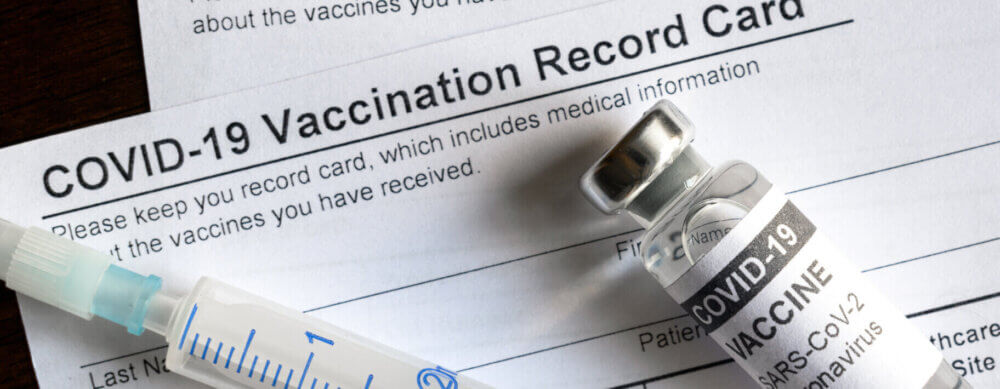
We have now passed the one-year mark since the first reported case of COVID-19 in Minnesota. This past year has been difficult for many people and organizations, in large part due to the ever-changing legal requirements and guidance from federal and state health agencies. However, with vaccinations now open to all Minnesotans age 16 and older, we are beginning to see a light at the end of the tunnel. This is a welcome step forward for businesses across the state that have been eager to return more of their employees back to the workplace.
Aside from the vaccine rollout, a number of provisions in Governor Walz’s Executive Order 21-11 went into effect on April 15th, including a further loosening of certain restrictions and guidance on many businesses and social gatherings. Among these various updates is a change to the remote work directive that had been in place for Minnesota businesses since the initial limited re-opening of essential operations last spring, which stated that employees who were able to work from home were required to do so. That requirement has been eased as of April 15th, and remote work is now “strongly encouraged” but is no longer mandated.
However, businesses that are preparing to bring their currently remote workers back on-site will need to keep in mind that the pandemic is still considered a public health emergency and many of the COVID-19-era workplace requirements are still in effect. As such, it will be important to plan carefully in order to ensure that workplace practices comply with those requirements, including as they continue to evolve going forward. While the CDC has recently updated its guidance for social distancing and mask use by fully-vaccinated individuals in most outdoor settings and certain indoor settings, neither that agency nor the Minnesota Department of Health has made similar updates to their recommendations for businesses. In fact, the following are just a few important requirements that are still in effect for Minnesota businesses:
- Executive Order 20-81 mandating masks and face coverings in businesses and certain other environments is still in full effect, subject to the same exceptions, exemptions, and other considerations stated in that Order.
- All businesses, whether critical or non-critical businesses, must implement and continue to enforce a COVID-19 Preparedness Plan for their workplace as a condition of resuming operations. Customer-facing businesses also still must include certain additional plan requirements which are designed to keep their employees and the public safe.
- The safety and health protocols outlined in Executive Order 20-54, stating that all work must adhere to social distancing and hygiene practices in accordance with Minnesota OSHA Standards, MDH, and CDC Guidelines, are also still in effect at this time.
Another provision of Executive Order 21-11 to keep in mind is that employers are also “strongly encouraged” to implement “reasonable accommodations for at-risk employees or employees with one or members of their household who have underlying medical conditions and are not yet eligible for vaccination.” The Order defines “at-risk” people as those who are susceptible to severe illness from COVID-19 and have not been able to obtain a vaccination yet or cannot be vaccinated at all. Addressing employee requests to remain working from home will require careful consideration, particularly in circumstances that may trigger laws such as the Americans with Disabilities Act and/or the Family and Medical Leave Act, as applicable.
Businesses may be eager to resume normal operations and return employees to the workplace. As businesses consider how to achieve this goal, it will be imperative to have a plan in place to ensure the health and safety of the workforce, clients, visitors, the work facilities, and, if applicable, the public. The experienced attorneys in FMJ’s HR & Employment practice group understand that this plan may look different for every organization. As COVID-19 vaccinations become widely available to the public, we recommend having a comprehensive resource to help navigate this “new normal.”
In response to this, our firm has developed a COVID-19 Vaccine Toolkit that employers can use to learn, address, and implement plans addressing the variety of vaccine-related issues employers will face. This Toolkit includes a number of resources, including the following:
- Considerations and trends regarding whether employers should mandate the vaccination;
- A summary of EEOC guidance for employers related to COVID-19 vaccinations;
- Sample policies and forms for businesses planning to implement vaccination guidelines, whether mandatory, voluntary, or incentive-based;
- A vaccine factsheet which can be used to provide employees with objective educational information about available COVID-19 vaccinations; and
- Guidance on messaging to employees concerning obtaining vaccinations if able.
The Toolkit is designed to be a one-stop shop for employers. If you are interested in learning more about this toolkit, our HR & Employment attorneys can walk you through it. Please contact Shannon McDonough at shannon.mcdonough@fmjlaw.com, Heidi Carpenter at heidi.carpenter@fmjlaw.com, or Natolie Hochhausen at natolie.hochhausen@fmjlaw.com to discuss how we may be able to assist your business.
Related Attorneys