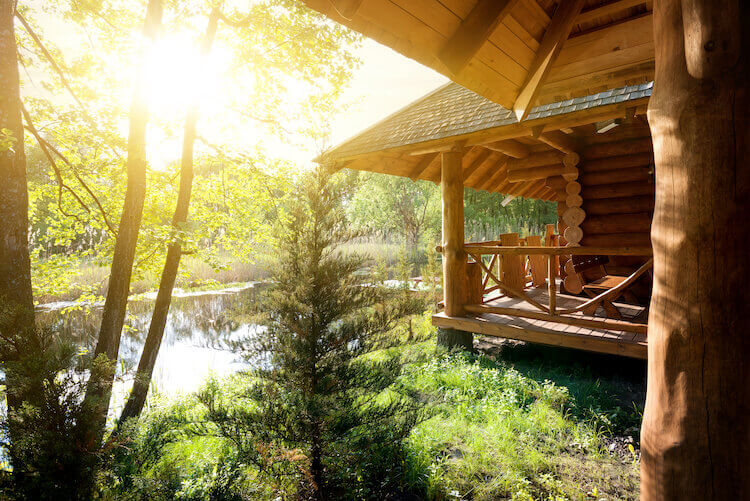
Memorial Day will soon be upon us and will mark Minnesota’s “unofficial” start to summer as many head to their cabins and lake homes. Even more individuals, couples, and families will “go north” this year as many people continue to work from home. While a cabin provides respite from the chaotic world we live in today, you want to make sure you plan properly for this property to prevent chaos from trickling into your much-needed vacation spot. Of course, there is no “one size fits all” planning option for the transfer and ongoing management of a cabin or lake property. The following are common forms of succession and ownership options as it relates to developing a future plan for your cabin.
Direct Transfer of Ownership. A direct transfer of ownership is made by conveying an interest in the property directly to the new owners. Some cabin owners simply want to pass the property to their children as equal owners, and let them figure things out from there.
Cabin Trust. A trust agreement is another form of ownership for a cabin property. A trust is an agreement where a grantor transfers property to a trustee to be held, administered, and distributed for the benefit of the trust beneficiaries. There are different types of trusts that can be utilized for a cabin succession plan. Trusts can be either revocable or irrevocable, and there are numerous important considerations that may dictate which form of trust is selected.
Business Entity. The ownership of a cabin or lake home can also be transferred to a business entity, such as a partnership or limited liability company (LLC). The family then implements a partnership agreement, operating agreement, or other such agreement that outlines the control of the property, the succession of the entity interests, and other such important issues.
Hybrid Structure. A structure of ownership that is becoming increasingly popular is the use of a trust and an LLC for the ownership of a family cabin or recreational property, especially where there is a desire to create a legacy property to be enjoyed by multiple generations of owners. The basic structure is that an LLC is formed to hold title to the property. A trust agreement is also implemented and the ownership interest in the LLC is owned by the trustee to be held, administered, and distributed for the benefit of the trust beneficiaries.
If you would like to discuss any of the above succession or ownership options or have cabin/lake home planning questions, our Trusts & Estates group can help.
Please contact attorneys David Ness at david.ness@fmjlaw.com or Karen Schlotthauer at karen.schlotthauer@fmjlaw.com.
Related Attorneys